Blog

    • Complete Bird Cage Setup Guide: Essential Accessories and Placement Tips

      Complete Bird Cage Setup Guide: Essential Accessories and Placement Tips

      Setting up your bird’s cage correctly is essential for their health, safety, and happiness. This guide covers everything from cage selection to accessory placement for optimal bird welfare.

      Choosing the Right Cage

      The cage is your bird’s primary environment. Choose wisely:

      • Bigger is always better—choose the largest cage your space and budget allow
      • Bar spacing: Must match your bird species (small birds: 1/2″, medium: 5/8″, large: 3/4″-1″)
      • Material: Powder-coated steel is safe and durable
      • Bar orientation: Horizontal bars allow climbing
      • Easy cleaning: Removable base tray and access doors

      Essential Cage Accessories

      Perches

      • Use natural wood perches of varying diameters (3/4″ to 1.5″)
      • Avoid all-plastic perches—they don’t exercise feet properly
      • Place perches at different heights
      • Don’t overcrowd—2-3 perches is sufficient
      • Safe wood types: manzanita, java, apple, willow, oak
      • Avoid: cherry, oak (toxic unless cured), plum, peach

      Food and Water Dishes

      • Heavy ceramic dishes resist tipping
      • Place away from perches to prevent contamination
      • Multiple dishes for different food types
      • Water bottle as backup to dish water

      Toys

      • Rotate toys weekly to prevent boredom
      • Include different types: chewable, interactive, foraging
      • Ensure toys are appropriate size for your bird
      • Inspect regularly for wear and fraying
      • Avoid mirrors for single birds (can cause behavioral issues)

      Cage Placement

      • Avoid: Kitchens (fumes), drafty areas, direct sunlight, bathrooms (humidity)
      • Ideal: Quiet family room where birds can observe household activity
      • Height: At eye level for social interaction
      • Wall placement: Cages feel more secure against a wall rather than in open

      Cleaning Schedule

      • Daily: Change liner, rinse food/water dishes
      • Weekly: Clean base tray, wash perches with bird-safe cleaner
      • Monthly: Full cage disinfection with avian-safe products
      • Quarterly: Deep clean all accessories

      Frequently Asked Questions

      What size cage does my bird need?

      The minimum is that your bird should be able to fully spread its wings without touching the sides. Bigger is always better for mental health and exercise.

      How many perches should be in a cage?

      2-3 perches are sufficient. Too many perches can overcrowd the cage and reduce flying space.

      Should I cover my bird’s cage at night?

      A cage cover helps signal bedtime and provides security. Use a breathable fabric and cover for 10-12 hours nightly for optimal sleep.

      Where should I avoid placing the cage?

      Never place cages in kitchens (non-stick fumes are toxic), drafty areas, direct sunlight (can overheat), or isolated locations away from family activity.

      Related Articles

      Amazon Affiliate Disclosure: As an Amazon Associate, PawPlanetHub earns from qualifying purchases. This means we may receive a small commission when you click our links and make a purchase on Amazon — at no extra cost to you. Our recommendations are based on product research and data analysis, not paid placements.

    • The Ultimate Budgie Care Guide for 2026: Everything New Owners Need to Know

      Bringing a budgie (budgerigar) into your home is an exciting decision that comes with responsibilities. These small, colorful parrots make wonderful companions with proper care. This comprehensive guide covers everything you need to know about keeping your budgie healthy and happy.

      Understanding Your Budgie

      Budgies originate from Australia, where they live in large flocks across the outback. In captivity, they can live 7-15 years with proper care, with some reaching up to 20 years. These social birds thrive on interaction and mental stimulation.

      Choosing the Right Cage

      Your budgie’s cage is their primary living space. Choose a cage that allows room for flight:

      • Minimum size: 18″ x 18″ x 24″ for one budgie
      • Bar spacing: 1/2 inch or less (to prevent escape and injury)
      • Horizontal bars: Allow climbing exercise
      • Multiple perches: Natural wood perches of varying diameters

      Nutrition: What to Feed Your Budgie

      A balanced diet is crucial for your budgie’s health. Many owners make the mistake of feeding seeds only, but this leads to nutritional deficiencies.

      The Ideal Budgie Diet

      • Pellets: Should make up 50-70% of their diet (high-quality formulated pellets)
      • Fresh vegetables: Leafy greens, carrots, broccoli, bell peppers
      • Occasional fruits: Apple, banana, berries (in moderation due to sugar)
      • Protein: Cooked eggs, legumes, occasional seeds as treats
      • Fresh water: Changed daily

      Creating the Perfect Environment

      Budgies are sensitive to their environment. Maintain proper conditions:

      • Temperature: 65-80°F (18-27°C), avoiding drafts and direct sunlight
      • Light cycles: 10-12 hours of daylight, with darkness for proper rest
      • Air quality: Keep away from kitchens (fumes), smokers, and aerosols
      • Quiet time: Cover the cage at night for 10-12 hours of sleep

      Socialization and Interaction

      Budgies are highly social creatures. Daily interaction is essential:

      • Spend at least 1-2 hours daily with your bird outside the cage
      • Talk to your budgie frequently to build trust
      • Provide safe toys for mental stimulation
      • Consider keeping two budgies if you’re away often (same-sex recommended)

      Common Health Issues to Watch For

      Regular health monitoring helps catch problems early:

      • Respiratory issues: Wheezing, tail bobbing, nasal discharge
      • Feather problems: Plucking, discoloration, mites
      • Behavioral changes: Lethargy, loss of appetite, fluffed feathers
      • Digestive issues: Watery droppings, loss of droppings

      Find an avian vet before you need one. Annual check-ups are recommended.

      Budgie Proofing Your Home

      When your budgie is out of the cage, ensure safety:

      • Close all windows and doors
      • Remove ceiling fans
      • Cover or hide electrical cords
      • Remove toxic plants (avocado, chocolate, coffee, onions)
      • Keep toilets and water hazards covered
      • Supervise constantly during free flight

      Essential Supplies Checklist

      • Spacious cage with horizontal bars
      • Multiple natural wood perches (varying diameters)
      • Quality pellet food
      • Fresh food dishes
      • Water bottle and dish
      • Safe toys (chewable, interactive)
      • Cuttlebone or mineral block
      • Cage cover for sleep
      • Playground or gym outside the cage

      Conclusion

      Budgies make delightful pets for dedicated owners. With proper care—including a balanced diet, social interaction, and a safe environment—your budgie can thrive for 10-15 years or more. Invest time in learning your bird’s personality and needs, and you’ll be rewarded with a loyal, entertaining companion.

      Frequently Asked Questions

      How long do budgies live as pets?

      With proper care, budgies live 7-15 years on average, with some reaching 20 years in exceptional cases.

      Can budgies talk?

      Yes! Male budgies, especially when hand-tamed, can learn to speak dozens of words and phrases. Start with simple words and repeat consistently.

      Do budgies need a companion?

      Budgies are social and generally do well in pairs or small groups. If you work long hours, consider keeping two budgies to prevent loneliness.

      What vegetables can budgies eat?

      Safe vegetables include kale, spinach, romaine lettuce, carrots, broccoli, bell peppers, zucchini, and cucumber. Always wash thoroughly and introduce new foods gradually.

      How often should I clean the cage?

      Clean droppings daily, change liner paper every 2-3 days, deep clean the entire cage weekly with bird-safe disinfectant.

      Related Articles

      Amazon Affiliate Disclosure: As an Amazon Associate, PawPlanetHub earns from qualifying purchases. This means we may receive a small commission when you click our links and make a purchase on Amazon — at no extra cost to you. Our recommendations are based on product research and data analysis, not paid placements.

    • Budgie Diet Guide 2026: Seeds vs Pellets – Complete Nutrition Guide

      Proper nutrition is the foundation of your budgie’s health. This guide compares seed-based and pellet-based diets to help you make the best choice for your feathered friend.

      Understanding Budgie Nutritional Needs

      In the wild, budgies eat grasses, seeds, and occasional insects. Captive budgies need a more complete diet to prevent nutritional deficiencies that seeds alone cannot provide.

      Seeds vs Pellets: The Great Debate

      Both have advantages and disadvantages. Here’s a detailed comparison:

      Aspect Seeds Pellets
      Nutritional Balance Variable, often imbalanced Complete and formulated
      Fat Content High (can cause obesity) Controlled
      Interest/Variety High (foraging behavior) Lower (can cause boredom)
      Waste Higher (selective eating) Lower (eats all)
      Cost Generally lower Moderate

      The Recommended Diet: Pellet-Based

      Most avian veterinarians recommend a pellet-based diet comprising 50-70% of daily food intake. Quality pellets are formulated to provide complete nutrition in every bite.

      Choosing Quality Pellets

      • Look for organic, natural ingredients
      • Avoid pellets with added sugars or artificial colors
      • Choose age-appropriate formulas
      • Brands to consider: Harrison’s, Roudybush, Zupreem, Kaytee

      Fresh Foods: Essential Supplements

      Even with pellets, fresh foods are vital for mental stimulation and additional nutrients:

      Safe Vegetables

      • Leafy greens: Kale, spinach, romaine lettuce, cilantro
      • Color vegetables: Carrots, bell peppers, broccoli, zucchini
      • Root vegetables: Sweet potato (cooked), pumpkin

      Safe Fruits (Moderation)

      • Apple (no seeds), banana, berries, melon
      • Fruits should be given in moderation due to sugar content
      • Always remove pits and seeds from stone fruits

      Foods to Avoid

      • Toxic: Avocado, chocolate, caffeine, alcohol
      • Onion and garlic: Can be toxic in large amounts
      • High-fat human foods: Fried foods, butter, cheese
      • Mushrooms: Can cause digestive issues
      • Honey: Risk of bacterial contamination

      Feeding Schedule and Tips

      • Fresh pellets daily (check amount based on bird size)
      • Fresh water always available
      • Fresh foods offered in the morning and afternoon
      • Remove uneaten fresh foods within 2-3 hours
      • Introduce new foods gradually over 1-2 weeks

      Transitioning to Pellets

      If your budgie is seed-dependent, transition gradually:

      • Week 1: 75% seeds, 25% pellets (mixed)
      • Week 2: 50% seeds, 50% pellets
      • Week 3: 25% seeds, 75% pellets
      • Week 4+: Maintain 70% pellets, 30% seeds as treats

      Be patient. Some budgies take 2-8 weeks to accept pellets. Never starve your bird to force acceptance.

      Frequently Asked Questions

      Can budgies survive on seeds alone?

      Technically yes, but they will develop nutritional deficiencies over time. Seed-only diets are high in fat and lack many essential vitamins and minerals.

      How much should I feed my budgie daily?

      A budgie eats approximately 1-2 tablespoons of food daily. Adjust based on your bird’s weight and activity level.

      Can budgies eat eggs?

      Yes, cooked eggs (scrambled or hard-boiled) are an excellent protein source. Offer small amounts 2-3 times per week.

      My budgie won’t eat pellets. What should I do?

      Try different pellet brands and shapes. Crush pellets slightly and mix with familiar seeds. Behavioral persistence over 4-8 weeks usually succeeds.

      Related Articles

      Amazon Affiliate Disclosure: As an Amazon Associate, PawPlanetHub earns from qualifying purchases. This means we may receive a small commission when you click our links and make a purchase on Amazon — at no extra cost to you. Our recommendations are based on product research and data analysis, not paid placements.

    • Complete Cockatiel Care Guide for Beginners: Everything You Need to Know

      Cockatiels are one of the most popular pet birds worldwide, known for their gentle nature, distinctive crest, and charming whistling. This guide covers everything you need to know about caring for these wonderful companion birds.

      About Cockatiels

      Cockatiels (Nymphicus hollandicus) are small cockatoos native to Australia’s outback. They typically live 15-20 years in captivity, with some reaching 25 years with excellent care. They’re known for their expressive crests and the characteristic “cockatiel whistle.”

      Housing Requirements

      Cockatiels need spacious enclosures to thrive:

      • Minimum cage size: 24″ x 18″ x 24″ for one cockatiel
      • Bar spacing: 1/2 to 5/8 inch
      • Bar orientation: Horizontal bars preferred for climbing
      • Perch variety: Natural wood perches of varying diameters (3/4″ to 1.5″)

      Diet and Nutrition

      Cockatiels require a varied diet similar to other pet parrots:

      • Pellets: 60-70% of diet (quality formulated pellets)
      • Fresh vegetables: Leafy greens, carrots, squash
      • Fruits: Berries, apple, melon (in moderation)
      • Protein: Cooked eggs, legumes, occasional seeds as treats
      • Water: Fresh water changed daily

      Social Needs

      Cockatiels are social birds that bond closely with their owners:

      • Dedicate 1-2 hours daily for interaction
      • They enjoy being scratched on the head and neck
      • Cockatiels often bond with one person but can be socialized to others
      • Provide safe toys for entertainment when alone

      Common Health Concerns

      • Respiratory infections
      • Fatty liver disease (from poor diet)
      • Feather cysts
      • Psittacosis (avian chlamydia)
      • Vitamin A deficiency

      Regular avian vet checkups help maintain good health.

      Frequently Asked Questions

      Are cockatiels good for beginners?

      Yes! Cockatiels are excellent beginner birds. They’re gentle, affectionate, and easier to care for than larger parrots.

      Can cockatiels talk?

      Cockatiels don’t typically develop large vocabularies like some parrots, but they can learn to whistle tunes and say a few words. Males are generally better at vocalization.

      Do cockatiels need a companion?

      Cockatiels can be kept alone or in pairs. If kept alone, they require more human interaction. Same-sex pairs or male-female pairs can live together harmoniously.

      Related Articles

      Amazon Affiliate Disclosure: As an Amazon Associate, PawPlanetHub earns from qualifying purchases. This means we may receive a small commission when you click our links and make a purchase on Amazon — at no extra cost to you. Our recommendations are based on product research and data analysis, not paid placements.

    • How Long Do Cockatiels Live? Complete Lifespan Guide for Pet Owners

      Understanding your cockatiel’s lifespan helps you prepare for a long-term commitment. This guide covers the factors that influence cockatiel longevity and how to maximize your bird’s healthy years.

      Average Cockatiel Lifespan

      In captivity, cockatiels typically live 15-20 years, with many reaching 20-25 years when given excellent care. The oldest recorded cockatiel lived to 29 years. Wild cockatiels generally live shorter lives due to predators and environmental factors.

      Factors Affecting Lifespan

      Diet and Nutrition

      A pellet-based diet with fresh vegetables significantly impacts longevity. Seed-only diets lead to obesity, fatty liver disease, and shortened lifespans.

      Exercise and Mental Stimulation

      • Daily out-of-cage time for flying and exploration
      • Interactive toys that encourage problem-solving
      • Social interaction to prevent depression

      Veterinary Care

      Annual avian vet checkups catch problems early. Signs of illness in cockatiels can be subtle—behavioral changes are often the first indicator.

      Signs of a Healthy Cockatiel

      • Bright, alert eyes
      • Glossy, smooth feathers
      • Active and vocal
      • Good appetite and normal droppings
      • Steady breathing

      Signs Your Cockatiel May Be Sick

      • Fluffed feathers for extended periods
      • Lethargy or decreased activity
      • Loss of appetite
      • Tail bobbing or labored breathing
      • Discharge from eyes or nostrils
      • Changes in droppings (color, consistency, frequency)

      Seek avian veterinary care immediately if you notice these signs.

      Maximizing Your Cockatiel’s Lifespan

      • Provide a balanced pellet-based diet
      • Ensure daily exercise and social time
      • Maintain a clean, safe environment
      • Schedule regular vet checkups
      • Monitor for behavioral changes
      • Minimize stressors in the environment
      • Avoid exposure to toxins ( Teflon cookware fumes, candles, air fresheners)

      Frequently Asked Questions

      What is the average lifespan of a cockatiel?

      The average captive cockatiel lives 15-20 years, with exceptional birds reaching 25+ years.

      How can I tell if my cockatiel is a male or female?

      Adult males are typically grayer with bright yellow faces and orange cheek patches. Females have more muted coloring with barring on the underside of the tail feathers.

      Do cockatiels live longer in pairs?

      Not necessarily. Cockatiels can thrive alone or in pairs. The quality of care and environment matters more than whether they’re paired.

      At what age is a cockatiel considered a senior?

      Cockatiels are generally considered seniors around 12-14 years, when they may require adjusted care and more frequent health monitoring.

      Related Articles

      Amazon Affiliate Disclosure: As an Amazon Associate, PawPlanetHub earns from qualifying purchases. This means we may receive a small commission when you click our links and make a purchase on Amazon — at no extra cost to you. Our recommendations are based on product research and data analysis, not paid placements.

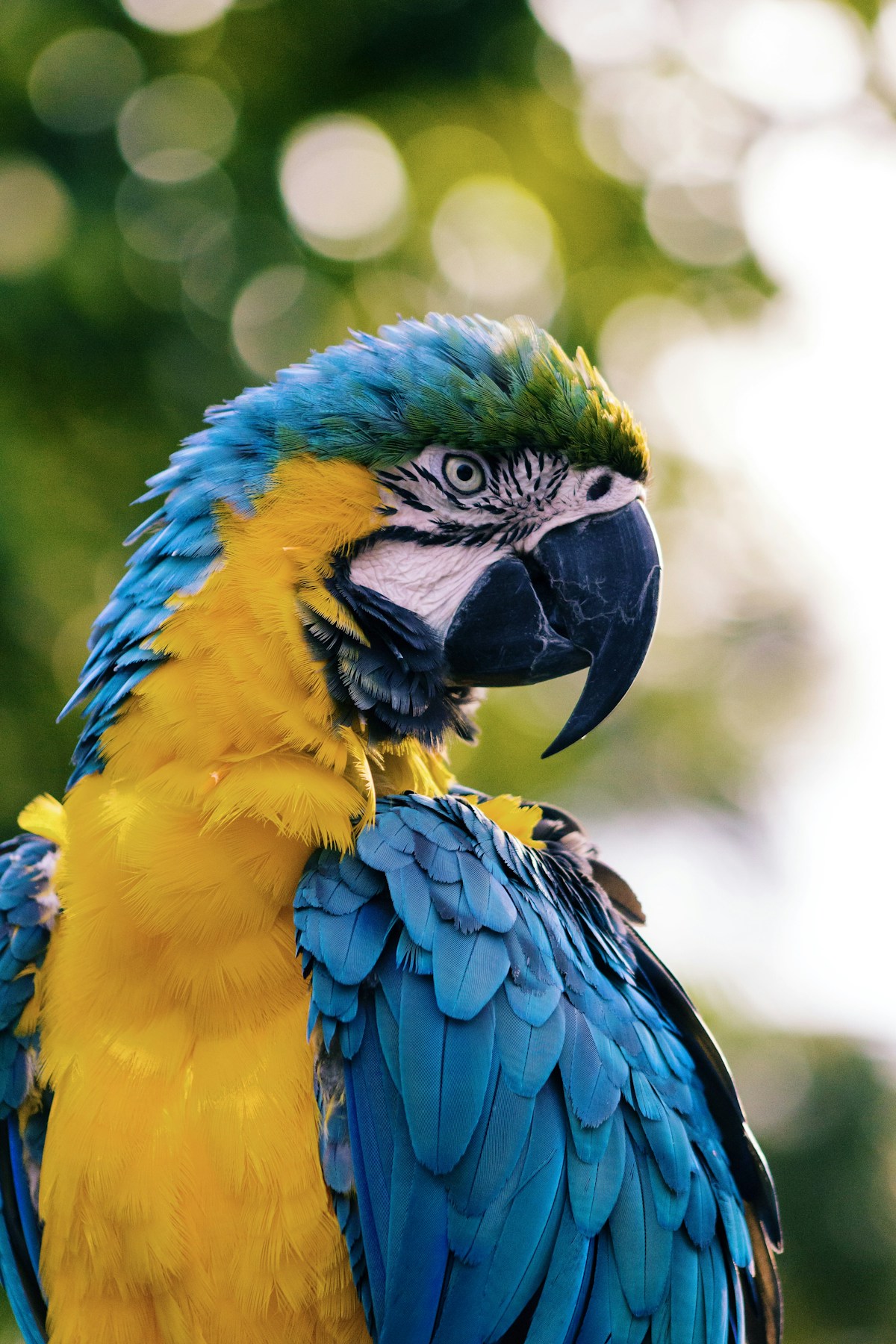
    • Complete Macaw Care Guide: Keeping Large Parrots as Pets

      Macaws are magnificent, large parrots known for their vibrant plumage, intelligence, and playful personalities. Keeping a macaw is a significant commitment—this guide covers essential care requirements for these impressive birds.

      Types of Macaws as Pets

      • Large Macaws: Green-winged, Blue-and-gold, Scarlet, Hyacinth
      • Mini Macaws: Hahn’s, Noble, Red-shouldered
      • Large macaws need more space and experienced owners

      Housing Requirements

      Macaws need substantial enclosures:

      • Minimum cage size: 36″ x 48″ x 60″ for large macaws
      • Bar spacing: 3/4″ to 1″ for large species
      • Strong construction: Macaws have powerful beaks
      • Multiple perches: Various diameters of natural wood
      • Toys: Destructible toys to satisfy chewing needs

      Diet and Nutrition

      • Pellets: 60-70% of diet
      • Nuts: Palm nuts, macadamias, almonds (in moderation due to fat)
      • Fresh fruits: Papaya, mango, berries
      • Vegetables: Leafy greens, carrots, squash
      • Occasional treats: Sunflower seeds (high fat, limit use)

      Social and Mental Needs

      Macaws are highly intelligent and social:

      • 2-4 hours of daily interaction minimum
      • Training sessions for mental stimulation
      • Out-of-cage time in a safe, supervised area
      • Rotate toys regularly to prevent boredom
      • Strong bond with owners but can be one-person birds

      Common Health Issues

      • Feather plucking (behavioral/stress)
      • Respiratory infections
      • Vitamin A deficiency
      • Psittacine beak and feather disease (PBFD)
      • Macaw wasting syndrome

      Legal Considerations

      Some macaw species are protected. Always verify that your species is legal to own in your state/country. CITES permits may be required for certain species.

      Frequently Asked Questions

      How long do macaws live?

      Large macaws can live 50-75 years, with some individuals reaching 80+. This is a lifelong commitment.

      Are macaws good pets for beginners?

      Macaws are generally not recommended for beginners due to their size, noise level, intelligence, and long lifespan. They suit experienced bird owners best.

      How noisy are macaws?

      Very noisy. Macaws are loud birds with loud calls. This makes them unsuitable for apartments or close neighbors.

      Can macaws talk?

      Yes, macaws are excellent talkers. They can develop vocabularies of 50+ words and are known for clear speech.

      Related Articles

      Amazon Affiliate Disclosure: As an Amazon Associate, PawPlanetHub earns from qualifying purchases. This means we may receive a small commission when you click our links and make a purchase on Amazon — at no extra cost to you. Our recommendations are based on product research and data analysis, not paid placements.