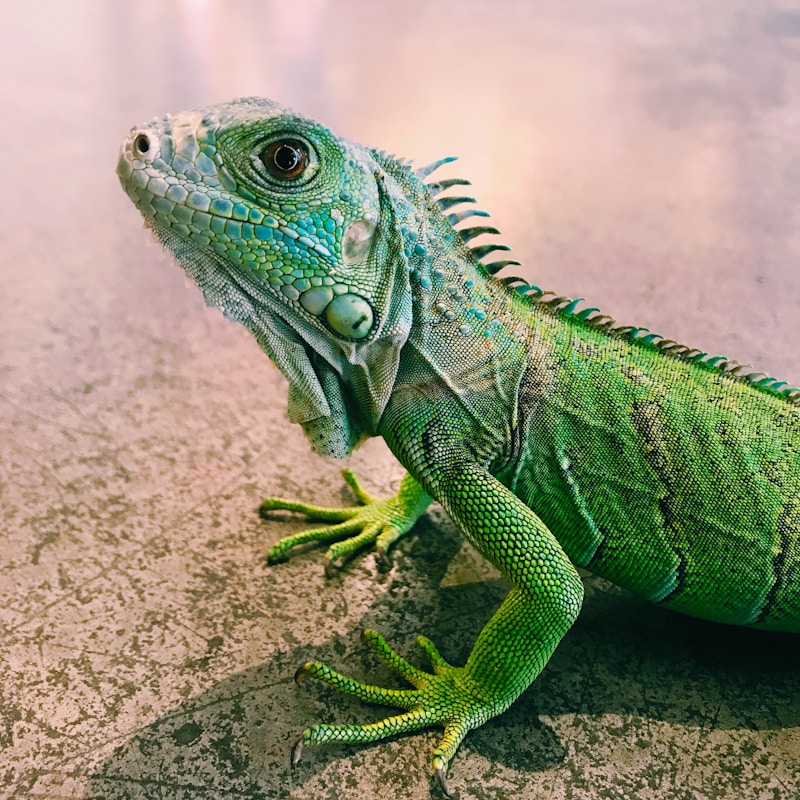
Leopard geckos have become one of the most popular reptile pets in recent years, and for good reason. These charming creatures are relatively easy to care for, have docile personalities, and come in a stunning variety of colors and patterns. Whether you are a first-time reptile owner or looking to add a new scaled friend to your family, this comprehensive guide will walk you through everything you need to know about keeping leopard geckos happy and healthy.
Why Leopard Geckos Make Great Pets
Unlike dogs or cats, leopard geckos offer a unique pet ownership experience with several distinct advantages:
- Low Maintenance Requirements: Unlike many pets that need daily walks or constant attention, leopard geckos are perfectly content with brief handling sessions a few times a week. They do not require daily feeding either—adults thrive on just three to four meals per week.
- Long Lifespan: With proper care, leopard geckos can live 15 to 20 years, making them a long-term companion commitment similar to a dog but with less daily responsibility.
- Quiet and Clean: These nocturnal creatures are virtually silent and tend to be clean animals that do not create strong odors when their enclosure is properly maintained.
- Perfect for Beginners: Leopard geckos are generally hardy and forgiving of minor husbandry mistakes, making them ideal for first-time reptile keepers.
Setting Up the Perfect Enclosure
Tank Size and Type
For a single adult leopard gecko, a 20-gallon long tank is the minimum recommended size, though a 40-gallon breeder tank provides even better opportunities for enrichment and exercise. Front-opening terrariums are preferred as they help your gecko feel more secure compared to top-opening enclosures.
Temperature and Heating
Leopard geckos are ectothermic, meaning they rely on external heat sources to regulate their body temperature. Creating a proper thermal gradient is essential:
- Warm Side: 88-92°F (31-33°C) using an under-tank heater or ceramic heat emitter
- Cool Side: 75-80°F (24-27°C)
- Night Time: Can drop to 70°F (21°C) without issue
Always use a thermostat with any heat source to prevent thermal burns and maintain consistent temperatures.
Substrate Options
Choosing the right substrate is crucial for your gecko health. Avoid loose substrates like sand, calcium sand, or wood chips, which can cause impaction if ingested. Recommended options include:
- Paper Towel: Perfect for beginners and quarantine tanks
- Tile or Slate: Easy to clean, retains heat well
- Bioactive Mix: For experienced keepers wanting a natural setup
Hides and Enrichment
Leopard geckos are crepuscular, meaning they are most active at dawn and dusk. They need at least three hides:
- Warm Hide: Placed on the warm side for digestion and thermoregulation
- Cool Hide: Located on the cool side for temperature regulation
- Humid/Moist Hide: Essential for proper shedding, lined with damp moss or substrate
Feeding Your Leopard Gecko
Diet Overview
Leopard geckos are insectivores, meaning their diet consists primarily of insects. A balanced diet should include:
Staple Feeders:
- Crickets (excellent exercise, nutritional value)
- Dubia roaches (high protein, easy to digest)
- Mealworms (good staple, moderate fat content)
Occasional Treats:
- Waxworms (high fat, feed sparingly)
- Hornworms (great hydration, can be messy)
- Superworms (good protein, hard exoskeleton)
Supplements
Dust insects with calcium powder at every feeding, and use a vitamin D3 calcium supplement two to three times per week. A multivitamin should be offered weekly as well.
Feeding Schedule
- Juveniles (under 6 months): Daily feedings of appropriate-sized insects
- Adults (6+ months): Every other day or 3-4 times per week
- Portion Control: Offer 2 insects per inch of gecko length
Handling and Bonding
Leopard geckos are generally tolerant of handling, but proper technique matters:
- Let Them Settle In: Wait 1-2 weeks after bringing your gecko home before handling
- Support the Body: Always support their belly and legs when picking them up
- Keep Sessions Short: Start with 5-10 minute sessions
- Avoid Tail Handling: Never grab or hold them by the tail
- Wash Hands: Always wash hands before and after handling
Common Health Issues to Watch For
Metabolic Bone Disease (MBD)
This preventable condition results from calcium and vitamin D3 deficiency. Signs include:
- Wobbly walk
- Curved limbs
- Rubberized jaws
Prevention is simple: proper supplementation and UVB lighting.
Shedding Problems
Retained shed can cause serious issues, especially around toes and eyes. Ensure your humid hide is adequate and consider misting if your gecko struggles to shed.
Impaction
Usually caused by inappropriate substrate or low temperatures. Symptoms include:
- Lack of appetite
- Bloated appearance
- No bowel movements
Maintain proper temperatures and avoid loose substrates to prevent this.
Breeding Considerations
While breeding leopard geckos can be rewarding, it requires significant knowledge and resources. If you are considering breeding:
- Research genetic morphs extensively
- Prepare for potential health complications
- Have homes lined up for offspring
- Understand the time and financial commitment
Conclusion
Leopard geckos offer a unique, rewarding pet ownership experience that fits well with modern lifestyles. Their relatively simple care requirements, charming personalities, and stunning appearance make them an excellent choice for both beginner and experienced reptile enthusiasts alike.
Remember, successful leopard gecko keeping comes down to a few key principles: proper temperature gradients, appropriate substrate, balanced nutrition, and attentive observation. With these basics in place, you will have a happy, healthy gecko companion for decades to come.
Related: How to Train a New Puppy: A Complete Guide for First-Time Owners
Related: Pet Feeding Guide: Complete Nutrition Tips for Healthy Pets
Related: Professional Pet Grooming at Home: A Complete Guide for 2026