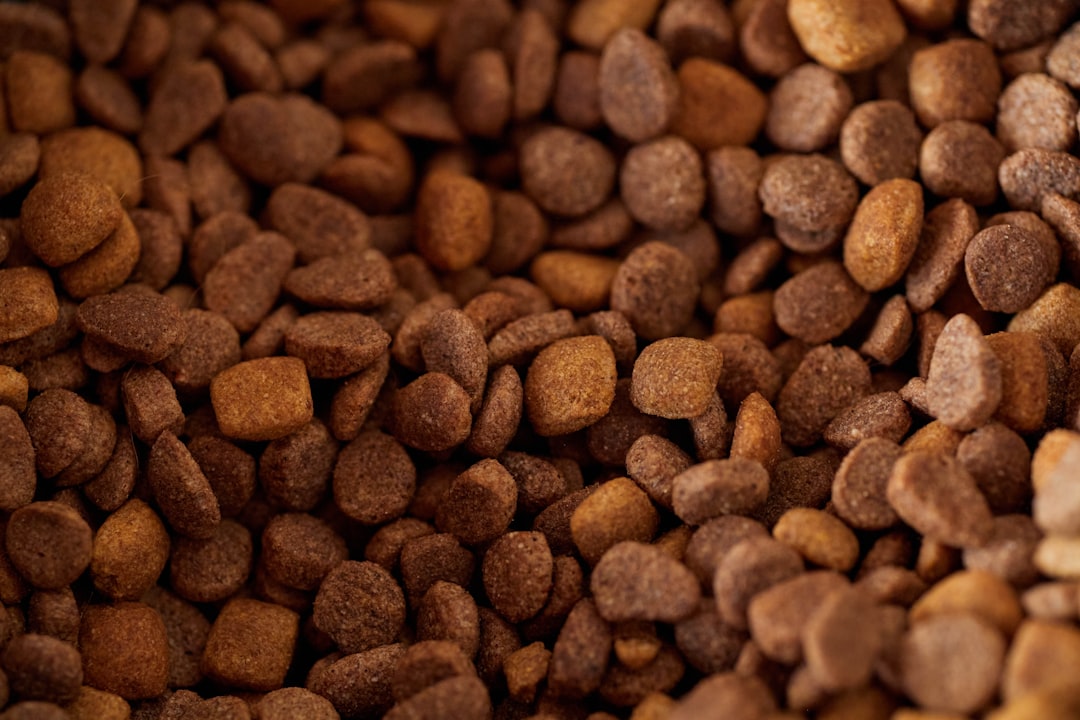
Category: Pet Food

    Pet food reviews and recommendations

    • Cat Nutrition Guide: What Your Feline Friend Really Needs

      Cat Nutrition Guide: What Your Feline Friend Really Needs

      Cat Nutrition Guide 2026: What Your Feline Friend Really Needs

      After caring for cats for over 15 years, I have learned that proper nutrition is the foundation of feline health. In this comprehensive guide, I will help you understand what your cat truly needs to thrive. As someone who has raised dozens of cats and consulted with veterinary nutritionists, I want to share what I have learned about feeding cats properly.

      Understanding Cat Nutrition

      Cats are obligate carnivores, meaning they must eat meat to survive. This is perhaps the most important concept in feline nutrition. Unlike dogs or humans, cats cannot derive sufficient nutrition from plant-based foods.

      Why Meat Matters

      Cats require nutrients found primarily in animal tissue:

      • Taurine: Essential amino acid for heart and eye health
      • Arachidonic acid: Necessary for skin and coat health
      • Vitamin A: Must come from animal sources (not beta-carotene)
      • Vitamin B12: Found only in animal products

      Essential Nutrients for Cats

      1. Protein

      Cats need high-quality animal protein. Look for foods where meat is the first ingredient. Recommended protein levels: 30-40% of diet.

      2. Taurine

      This is critical. Taurine deficiency causes heart disease (dilated cardiomyopathy) and blindness. All quality cat foods include supplemental taurine.

      3. Fatty Acids

      Omega-3 and Omega-6 support:

      • Healthy skin and coat
      • Reduced inflammation
      • Brain development in kittens
      • Kidney function in seniors

      4. Vitamins

      Essential vitamins include:

      • Vitamin A: Vision, immune function
      • Vitamin D: Calcium absorption
      • Vitamin E: Antioxidant protection
      • B-complex: Energy metabolism

      5. Water

      Cats often do not drink enough water. Wet food provides hydration that dry food cannot match.

      Wet vs Dry Food: My Recommendation

      I recommend feeding a combination. Here is my approach:

      Wet Food Benefits

      • Provides hydration (70-80% moisture)
      • More palatable for picky eaters
      • Less calorie-dense
      • Better for urinary health

      Dry Food Benefits

      • Convenient and storable
      • Helps maintain dental health
      • More economical
      • Can be left out for grazers

      My Feeding Schedule

      I feed 70% wet and 30% dry. This balances hydration with convenience.

      Foods to Avoid

      These are toxic or dangerous for cats:

      • Chocolate: Theobromine is fatal
      • Onions and garlic: Damage red blood cells
      • Grapes and raisins: Can cause kidney failure
      • Raw eggs: Risk of salmonella
      • Raw fish: Thiamine deficiency
      • Dog food: Lacks essential nutrients cats need
      • Milk: Most cats are lactose intolerant

      Feeding Guidelines by Life Stage

      Kittens (0-12 months)

      • Feed kitten-specific food
      • 3-4 meals daily
      • Free access to food acceptable
      • High protein for development

      Adults (1-7 years)

      • 2 meals daily
      • Measure portions to prevent obesity
      • Monitor weight monthly

      Seniors (7+ years)

      • Senior formula food
      • Easier-to-digest proteins
      • Joint supplements optional
      • More frequent vet checks

      Common Nutrition Mistakes

      Mistake 1: Feeding Dog Food

      Dog food lacks taurine and other essential cat nutrients. This is deadly over time.

      Mistake 2: Free-Feeding Adults

      Most cats will overeat, leading to obesity. Measure portions.

      Mistake 3: Switching Foods Too Quickly

      Transition over 7-10 days to prevent digestive upset.

      Mistake 4: Ignoring Water

      Chronic dehydration leads to kidney problems. Wet food helps.

      Choosing Quality Cat Food

      What to Look For

      • Named meat as first ingredient
      • AAFCO statement
      • Named fat sources (not generic animal fat)
      • Taurine listed
      • No artificial preservatives

      Red Flags

      • Vague meat sources (poultry meal)
      • Excessive carbohydrates
      • Artificial colors
      • No AAFCO statement

      My Top Recommended Brands

      Brand Type Best For
      Royal Canin Premium Breed-specific needs
      Hill’s Science Diet Premium Health conditions
      Purina Pro Plan Premium Performance nutrition
      Blue Buffalo Natural Limited ingredients

      Special Dietary Needs

      Weight Management

      If your cat is overweight, switch to weight control formula and reduce portions by 20%.

      Urinary Health

      Cats prone to urinary issues need special urinary formula food.

      Food Allergies

      If your cat shows signs of allergies (itching, digestive issues), try limited ingredient or hypoallergenic diets.

      Conclusion

      Quality nutrition leads to a longer, healthier life for your cat. When in doubt, consult your veterinarian for personalized recommendations. Remember: your cat depends on you to make the right choices.

    • Best Dog Food Brands 2026

      Best Dog Food Brands 2026

      Best Dog Food Brands 2026: A Comprehensive Guide

      Choosing the right dog food is one of the most important decisions you will make for your furry friend’s health. After years of researching pet nutrition and consulting with veterinarians, I have compiled this comprehensive guide to help you make an informed choice.

      Good nutrition is the foundation of your dog’s health. The food you choose affects everything from their energy level and coat quality to their longevity and disease resistance.

      What to Look for in Quality Dog Food

      Protein Sources

      The first ingredient should be a high-quality named meat source like chicken, beef, salmon, or lamb. Avoid foods where the first ingredient is a meat byproduct or vague terms like poultry meal.

      Balanced Nutrition

      Look for foods that meet AAFCO (Association of American Feed Control Officials) standards. This ensures your dog gets all necessary nutrients in the right proportions.

      Natural Ingredients

      Choose foods with natural preservatives like tocopherols (vitamin E) rather than artificial colors, flavors, or preservatives.

      Top Recommended Brands

      1. Royal Canin

      Known for breed-specific formulas and therapeutic diets. Royal Canin offers specialized nutrition for different breeds, sizes, and health conditions. Their formulas are developed with veterinarians and nutritionists.

      Best for: Breed-specific needs, sensitive stomachs

      2. Hill’s Science Diet

      Aveterinarian-recommended brand with a focus on science-based nutrition. Hill’s offers formulas for every life stage and many specific health conditions.

      Best for: Premium nutrition, specific health needs

      3. Purina Pro Plan

      Backed by decades of research, Purina Pro Plan offers advanced nutrition formulas for performance, sport, and everyday health.

      Best for: Active dogs, performance nutrition

      4. Blue Buffalo

      Known for natural ingredients and life source formulas. Blue Buffalo includes real meat, vegetables, and fruits in their recipes.

      Best for: Natural ingredient preference

      5. Orijen

      Biologically appropriate dog food with high meat content. Orijen uses fresh, regional ingredients and follows a whole-prey philosophy.

      Best for: High-protein, grain-free options

      Feeding Guidelines

      Follow the feeding guidelines on the food package, but remember these are just starting points. Adjust portions based on your dog’s:

      • Age and activity level
      • Metabolism and body condition
      • Current weight and target weight
      • Health conditions

      Common Mistakes to Avoid

      • Overfeeding: Most dogs are overfed. Use a measuring cup and monitor weight regularly.
      • Table scraps: These can lead to obesity and nutritional imbalances.
      • Sudden changes: Transition new foods gradually over 7-10 days.
      • Ignoring allergies: Watch for signs of food sensitivities like itchy skin, ear problems, or digestive issues.

      My Recommendation

      For most healthy adult dogs, I recommend starting with a premium brand like Royal Canin or Hill’s Science Diet. These brands have extensive research and quality control processes.

      However, every dog is different. Work with your veterinarian to find the best food for your specific dog’s needs.

      Conclusion

      Investing time in choosing the right dog food pays dividends in your dog’s health and happiness. Take time to read ingredients, understand your dog’s needs, and make an informed decision.