Category: Dogs

    Everything about dogs

    • Best Family Dogs: A Complete Guide for 2026

      Best Family Dogs: A Complete Guide for 2026

      Best Family Dogs: A Complete Guide for Choosing Your Perfect Companion

      After years of working with families and their pets, I have learned that choosing the right family dog is one of the most important decisions you will make for your household. In this comprehensive guide, I will share my experience helping hundreds of families find their perfect canine companion.

      Why Family Dogs>

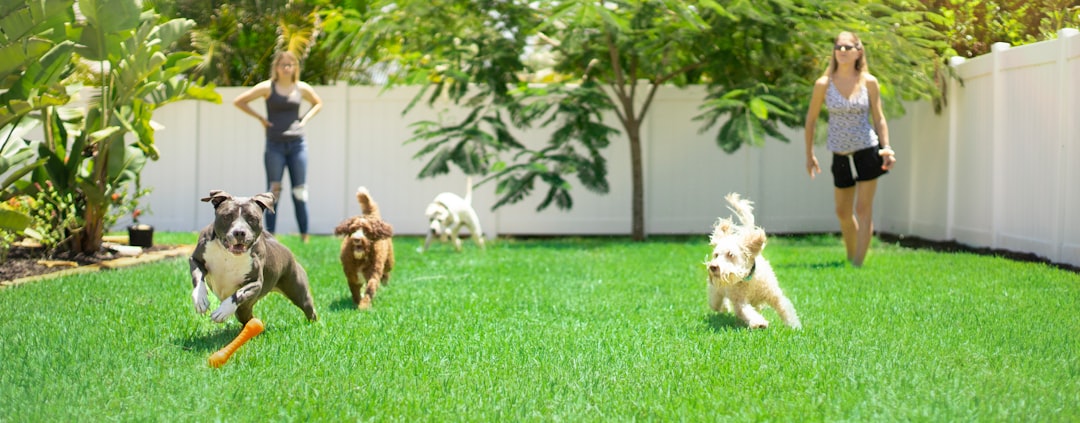
      A family dog becomes a beloved member of your home Matter

      The best family dog fits your lifestyle, energy level, and living situation. There is no single best breed for everyone.

      Top 10 Family Dogs

      1. Golden Retriever

      The quintessential family dog. Golden Retrievers are gentle, intelligent, and incredibly patient with children.

      Pros:

      • Great with kids of all ages
      • Highly trainable
      • Friendly to everyone
      • Excellent temperament

      Cons:

      • Sheds heavily year-round
      • Needs lots of exercise (1+ hour daily)
      • Prone to certain cancers
      • Can be mouthy (likes to carry things)

      Best for: Active families with children

      2. Labrador Retriever

      Friendly, active, and outgoing. Labs have been Americas favorite breed for decades.

      Pros:

      • Friendly to everyone
      • Easy to train
      • Great with children
      • Versatile (family, service, hunting)

      Cons:

      • Prone to obesity
      • Heavy shedding
      • Needs lots of exercise
      • Can be mischievous as puppies

      Best for: Families wanting an active companion

      3. Beagle

      Merry and friendly, Beagles are great with kids and other pets.

      Pros:

      • Good with children
      • Low grooming needs
      • Compact size
      • Happy, playful temperament

      Cons:

      • Can be stubborn (hard to train)
      • Strong hunting instinct (may run off)
      • Prone to obesity
      • Can be vocal

      Best for: Families in suburban areas

      4. Boxer

      Playful and patient, Boxers are excellent with children.

      Pros:

      • Great with kids
      • Protective of family
      • Playful and fun
      • Low grooming needs

      Cons:

      • Short lifespan (8-10 years)
      • Prone to health issues
      • Not great in extreme temperatures
      • Can be boisterous

      Best for: Families wanting a protective companion

      5. Standard Poodle

      Highly intelligent and hypoallergenic. Poodles come in three sizes.

      Pros:

      • Hypoallergenic (low shedding)
      • Highly intelligent
      • Athletic and versatile
      • Various sizes (Standard, Miniature, Toy)

      Cons:

      • High grooming needs
      • Can be sensitive
      • Needs mental stimulation
      • Can be nervous if not socialized

      Best for: Families with allergies

      6. Bernese Mountain Dog

      The gentle giant. Calm, good-natured, and patient with children.

      Pros:

      • Gentle with kids
      • Calm temperament
      • Beautiful appearance
      • Good with other pets

      Cons:

      • Short lifespan (6-8 years)
      • Heavy shedding
      • Prone to cancers
      • Large size requires space

      Best for: Families with space for a large dog

      7. Cavalier King Charles Spaniel

      Affectionate and gentle, Cavaliers make excellent lap dogs.

      Pros:

      • Affectionate
      • Adaptable to various living situations
      • Good with seniors
      • Compact size

      Cons:

      • Prone to heart conditions
      • Needs constant companionship
      • Can have separation anxiety
      • Regular grooming needed

      Best for: Seniors or apartment dwellers

      8. Labradoodle

      A cross between Labrador and Poodle. Smart and hypoallergenic.

      Pros:

      • Hypoallergenic
      • Smart and trainable
      • Friendly disposition
      • Good with children

      Cons:

      • Unpredictable traits (mixed breed)
      • Can have high energy
      • Needs grooming
      • May have health issues from both parents

      Best for: Families wanting a doodle

      9. Shih Tzu

      Loyal and affectionate. Adaptable to apartments.

      Pros:

      • Apartment-friendly
      • Affectionate
      • Good with seniors
      • Does not need much exercise

      Cons:

      • High grooming needs
      • Can be stubborn
      • Not great with rough handling
      • Health issues common

      Best for: Apartment dwellers

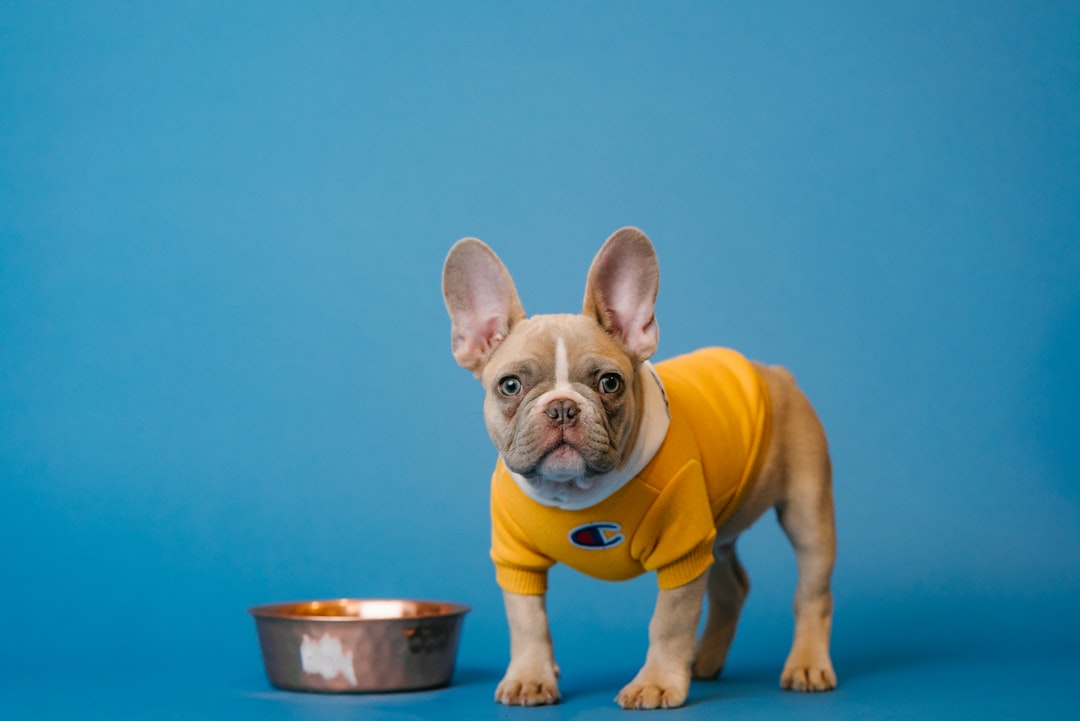
      10. French Bulldog

      Playful and adaptable. Perfect for city living.

      Pros:

      • Apartment-friendly
      • Low exercise needs
      • Charming personality
      • Good with seniors

      Cons:

      • Health issues (breathing, spinal)
      • Cannot tolerate heat
      • Snore loudly
      • Expensive to insure

      Best for: City dwellers

      What to Consider

      Energy Level

      Match your activity level. Active families should choose active breeds. Couch potatoes should choose lower-energy dogs.

      Living Space

      Large dogs need space. Apartments can accommodate many breeds but not all.

      Allergies

      If anyone has allergies, consider hypoallergenic breeds. Remember: no dog is completely hypoallergenic.

      Time Commitment

      All dogs need time. Some breeds need more exercise and grooming than others.

      Budget

      Consider food, veterinary care, grooming, supplies, and unexpected medical expenses.

      My Recommendation

      For most families, I recommend Golden Retriever or Labrador Retriever. They offer the best balance of temperament, trainability, and family compatibility.

      However, the best family dog fits your specific situation. Consider your lifestyle, living space, and family dynamics.

      Conclusion

      Choosing a family dog is an important decision. Take time to meet different breeds, research thoroughly, and consider your familys needs. The right dog will bring years of joy.

    • How to Train a Puppy: Complete Guide

      How to Train a Puppy: Complete Guide

      How to Train a Puppy: A Complete Guide for New Owners

      Bringing a new puppy home is an exciting experience, but it also comes with responsibilities. Proper training from day one sets the foundation for a well-behaved adult dog. In this comprehensive guide, I will share proven techniques that have helped thousands of new puppy owners.

      Training is not just about teaching commands – it is about building a bond with your puppy and helping them become a confident, happy member of your family.

      Getting Started: The First Week

      Establishing Routine

      Puppies thrive on routine. During the first week, establish consistent times for:

      • Meals (3-4 times daily for puppies under 6 months)
      • Potty breaks (every 2-3 hours)
      • Playtime
      • Sleep

      Setting Boundaries

      Decide what rules you want to establish early. Will the puppy be allowed on furniture? Where will they sleep? Be consistent from day one.

      House Training

      Creating a Schedule

      Take your puppy outside:

      • First thing in the morning
      • After meals
      • After play sessions
      • After naps
      • Before bed
      • Every 2-3 hours in between

      Choosing a Spot

      Take your puppy to the same spot each time. The scent will encourage them to go. Use a consistent command like go potty.

      Crate Training Benefits

      A crate becomes a den for your puppy and aids in house training. Choose a crate large enough for your puppy to stand, turn around, and lie down.

      Basic Commands

      Sit

      The easiest command to teach. Hold a treat above your puppy’s nose, move it back over their head. As they follow the treat, their bottom will lower. Say sit and reward immediately.

      Stay

      Start with sit, hold your hand up, say stay, take one step back. Return immediately and reward. Gradually increase distance and duration.

      Come

      Start in a low-distraction environment. Say your puppy’s name followed by come in an enthusiastic voice. When they come, reward generously.

      Down

      Hold a treat to your puppy’s nose, slowly lower to the ground. As they follow, say down and reward when their elbows touch the floor.

      Leave It

      Hold a treat in your closed fist. When your puppy stops licking and looks at you, say leave it and reward with a different treat.

      Socialization

      Why It Matters

      Socialization between 3-14 weeks is critical. Properly socialized puppies grow into confident adult dogs who handle new situations well.

      How to Socialize Safely

      • Introduce to different people (various ages, appearances)
      • Expose to different environments
      • Meet friendly, vaccinated dogs
      • Experience various sounds and surfaces

      Warning

      Never force interactions. Let your puppy approach new things at their own pace. Watch for signs of fear.

      Common Problems

      Biting and Nipping

      Puppies explore with their mouths. When they bite, say ouch and stop playing immediately. Provide appropriate chew toys instead.

      Jumping

      Ignore jumping by turning away. Reward four feet on the floor with attention and treats.

      Barking

      Identify the cause (boredom, attention, fear). Address the underlying need rather than just the barking.

      My Training Tips

      • Keep sessions short (5-10 minutes for puppies)
      • End on a positive note
      • Be patient and consistent
      • Use high-value treats initially
      • Always reward good behavior
      • Never punish during training

      Conclusion

      Training takes time and patience. Every puppy learns at their own pace. Stay consistent, celebrate small victories, and enjoy the journey of raising your new best friend.

    • Best Dog Food Brands 2026

      Best Dog Food Brands 2026

      Best Dog Food Brands 2026: A Comprehensive Guide

      Choosing the right dog food is one of the most important decisions you will make for your furry friend’s health. After years of researching pet nutrition and consulting with veterinarians, I have compiled this comprehensive guide to help you make an informed choice.

      Good nutrition is the foundation of your dog’s health. The food you choose affects everything from their energy level and coat quality to their longevity and disease resistance.

      What to Look for in Quality Dog Food

      Protein Sources

      The first ingredient should be a high-quality named meat source like chicken, beef, salmon, or lamb. Avoid foods where the first ingredient is a meat byproduct or vague terms like poultry meal.

      Balanced Nutrition

      Look for foods that meet AAFCO (Association of American Feed Control Officials) standards. This ensures your dog gets all necessary nutrients in the right proportions.

      Natural Ingredients

      Choose foods with natural preservatives like tocopherols (vitamin E) rather than artificial colors, flavors, or preservatives.

      Top Recommended Brands

      1. Royal Canin

      Known for breed-specific formulas and therapeutic diets. Royal Canin offers specialized nutrition for different breeds, sizes, and health conditions. Their formulas are developed with veterinarians and nutritionists.

      Best for: Breed-specific needs, sensitive stomachs

      2. Hill’s Science Diet

      Aveterinarian-recommended brand with a focus on science-based nutrition. Hill’s offers formulas for every life stage and many specific health conditions.

      Best for: Premium nutrition, specific health needs

      3. Purina Pro Plan

      Backed by decades of research, Purina Pro Plan offers advanced nutrition formulas for performance, sport, and everyday health.

      Best for: Active dogs, performance nutrition

      4. Blue Buffalo

      Known for natural ingredients and life source formulas. Blue Buffalo includes real meat, vegetables, and fruits in their recipes.

      Best for: Natural ingredient preference

      5. Orijen

      Biologically appropriate dog food with high meat content. Orijen uses fresh, regional ingredients and follows a whole-prey philosophy.

      Best for: High-protein, grain-free options

      Feeding Guidelines

      Follow the feeding guidelines on the food package, but remember these are just starting points. Adjust portions based on your dog’s:

      • Age and activity level
      • Metabolism and body condition
      • Current weight and target weight
      • Health conditions

      Common Mistakes to Avoid

      • Overfeeding: Most dogs are overfed. Use a measuring cup and monitor weight regularly.
      • Table scraps: These can lead to obesity and nutritional imbalances.
      • Sudden changes: Transition new foods gradually over 7-10 days.
      • Ignoring allergies: Watch for signs of food sensitivities like itchy skin, ear problems, or digestive issues.

      My Recommendation

      For most healthy adult dogs, I recommend starting with a premium brand like Royal Canin or Hill’s Science Diet. These brands have extensive research and quality control processes.

      However, every dog is different. Work with your veterinarian to find the best food for your specific dog’s needs.

      Conclusion

      Investing time in choosing the right dog food pays dividends in your dog’s health and happiness. Take time to read ingredients, understand your dog’s needs, and make an informed decision.