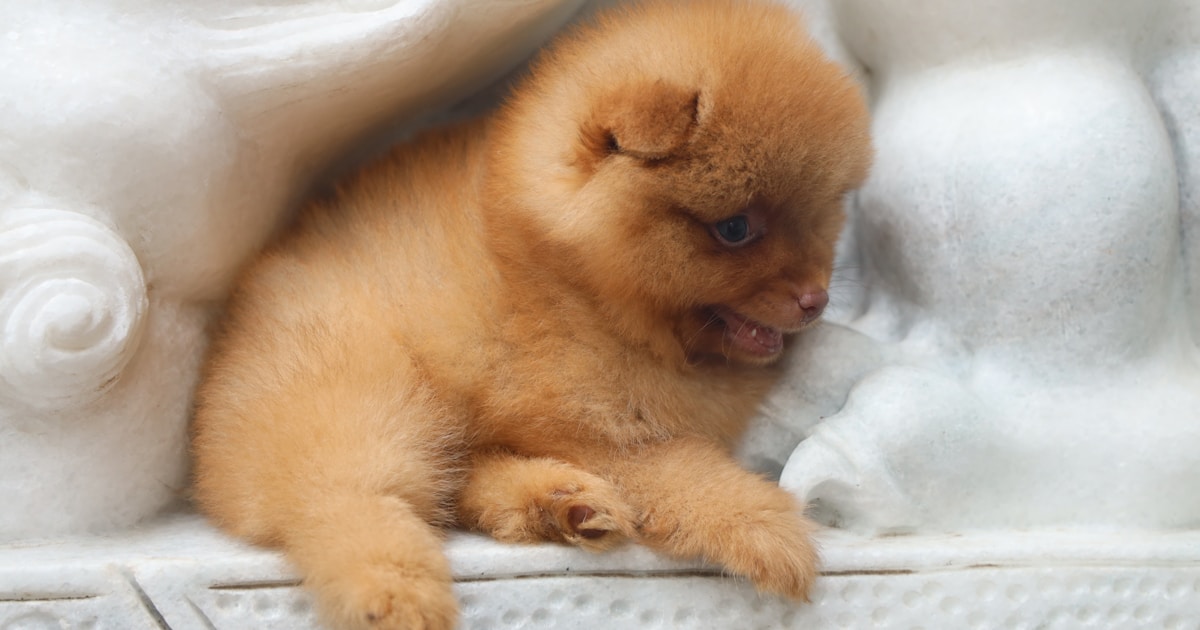
Congratulations — you’ve got a puppy. That means your floors are already at risk, your shoes have a target on them, and your sleep schedule is about to take a serious hit. But here’s the thing: the first few weeks with your new pup are also incredibly rewarding, and getting training right from day one will save you months of headaches later.
I’ve been running my pet shop for eight years now, and I’ve seen it all — the puppies who came in confident and curious, and the ones who were nervous wrecks because their owners didn’t know where to start. The difference always came down to one thing: structure. Puppies thrive when they know what to expect, and they’ll test every boundary you’ve got while they’re figuring it out.
This guide walks you through everything you need to tackle in your puppy’s first week at home. You won’t finish this list perfectly — nobody does. But if you hit the big stuff consistently, you’ll set your pup up for a lifetime of good behavior.
Before You Bring Puppy Home: Get Your Setup Ready
One of the biggest mistakes new puppy parents make is bringing their pup home and then scrambling to figure out the setup. Don’t do that. Before pickup day, get your supplies organized:
- A properly sized crate (big enough to stand and turn around, but not so big that they can soil one end and sleep in the other)
- High-value treats — small, smelly, and irresistible
- A clicker or a consistent verbal marker like “yes!”
- Puppy pads for emergencies, but your goal should be outdoor trips
- A leash and collar or harness
- Enzyme cleaner for accidents — regular cleaner won’t cut it
Set up the crate in a common area like the living room. Put a blanket or towel inside. This isn’t cruel — dogs are den animals. A properly introduced crate becomes their safe space, not a prison.
Day One: Establishing Your Routine
Your puppy just lost everything familiar — their mom, their siblings, the only place they’ve ever known. They’re probably scared, overwhelmed, or both. Your job today isn’t to teach tricks. It’s to show them the house rules and build trust.
When you arrive home, let your puppy explore one room at a time. Don’t overwhelm them with the whole house at once. Keep a treat pouch on you at all times so you can reward good behavior the second it happens.
The most important thing on day one is getting a potty schedule locked in. Here’s what that looks like:
- First thing in the morning: straight outside
- After every meal: straight outside
- After naps: straight outside
- After playtime: straight outside
- Every 30-60 minutes for young puppies (under 10 weeks)
- Last thing before bed: straight outside
I know it sounds like a lot, but trust me — those midnight trips to the yard are worth it when your puppy is fully housebroken by four months instead of eight.
Crate Training: Your Best Friend
If there’s one tool I’d tell every new puppy owner to master, it’s the crate. It sounds counterintuitive — why would you lock up a dog? But when done right, crate training mimics a natural denning instinct and accelerates housebreaking dramatically.
The key word is “done right.” Here’s how to introduce the crate without making your puppy miserable:
First, place treats near and around the crate. Let your puppy discover it on their own terms. Toss treats inside so they follow their nose in. Click and reward any interest they show. Do this for a day or two before ever closing the door.
When your puppy is comfortable going in and out, try closing the door for just a few seconds while they’re eating. Gradually increase the time. If they whine, wait for a pause in the whining before you open it — otherwise you teach them that whining gets the door open.
Use the crate during mealtimes so your puppy associates it with something positive. And please — never use the crate as punishment. Your pup should see it as their personal retreat, not a time-out corner.
One real-world tip: if your puppy whines at night and you’ve already done a potty trip, the whining might be loneliness, not needing to go out. Some puppies do well with a ticking clock wrapped in a towel (mimics heartbeat) or a shirt you’ve worn. Don’t give in and hold them all night — that’ll create a habit you’ll regret.
Teaching Basic Commands: Sit, Stay, Come
Once your puppy has had a day or two to settle, you can start introducing basic commands. Don’t try to drill — aim for three to five short sessions a day, each lasting just a few minutes. Puppies have the attention span of, well, puppies.
Sit
This is usually the easiest command to teach. Hold a treat close to your puppy’s nose, then slowly move it up and back over their head. As their nose follows the treat upward, their butt naturally lowers. The second they sit, say “sit,” click, and reward. Repeat until the behavior clicks — it usually takes just a handful of sessions.
Stay
Once your puppy knows sit, you can add stay. Have them sit, then hold your flat palm out like a stop sign and say “stay.” Take one step back. If they hold position, click and reward. If they break, just reset and try again with a shorter distance or less time. Build up gradually — don’t rush this one.
Come
This is the most important command for safety, and it’s also the one most owners struggle with because they accidentally teach the opposite. If you call your puppy and then do something unpleasant (like putting them in the crate or giving them a bath), they’ll learn to avoid coming when called.
Instead, make coming to you the best thing ever. Start in a low-distraction environment. Crouch down, open your arms, and say “come!” in an excited voice. When they come, pile on the treats and praise. Use this command frequently in play — let them chase you, then call them and reward.
Socialization: Don’t Skip This Part
Here’s something a lot of new owners don’t realize: puppies have a critical socialization window between about 3 and 16 weeks of age. During this period, their brains are wired to accept new experiences as normal. After it closes, introducing new things takes much more effort and can trigger fear responses.
This doesn’t mean you should throw your puppy into every overwhelming situation you can find. It means thoughtful, positive exposure to different people, animals, places, sounds, and surfaces. The key word is positive — if your puppy seems scared, back off. Forcing a frightened puppy to “get used to” something will make it worse, not better.
Here’s what a solid socialization checklist looks like:
- Meeting different types of people — men with beards, kids, elderly folks, people wearing hats or sunglasses
- Exposure to other vaccinated dogs in a controlled setting
- Car rides (short ones at first)
- Different floor surfaces — hardwood, grass, concrete, carpet
- Household sounds — vacuum cleaner, doorbell, TV, blender
- Being handled — touching ears, paws, mouth, tail, and coat
If your puppy is showing fear, don’t push through it. Find a distance or intensity where they’re comfortable and work upward from there. This is called desensitization, and it’s how you build confidence rather than anxiety.
Housebreaking: Patience Is Everything
Let’s talk about the thing every new puppy owner stresses over: accidents in the house. Here’s my honest take from years of helping customers through this: every single puppy has accidents. Every. Single. One. Even ones from experienced breeders. Even ones I’ve personally trained. The difference between a successfully housebroken dog and one who struggles for years isn’t some magic technique — it’s consistency.
Never punish your puppy for accidents. Rubbing their nose in it, scolding them after the fact, or dragging them to the mess doesn’t teach them where to go. It teaches them to be afraid of going in front of you, which makes housebreaking harder, not easier.
When you catch them in the act, clap or make a sound to interrupt, then immediately take them outside. If they finish outside, huge reward. If they don’t, that’s fine — you tried. Clean up the mess indoors with an enzyme cleaner that completely eliminates the scent. If any trace of smell remains, your puppy will think that spot is fair game.
Expect setbacks. A puppy who was doing great might regress during the first fear period (around 8-11 weeks) or whenever there’s a major change in routine. This is normal. Just stay consistent and it’ll pass.
Common Mistakes to Avoid
After eight years of helping new puppy owners, I see the same pitfalls over and over:
Being inconsistent. If “sit” means sit today but you let it slide tomorrow, your puppy will never take commands seriously. Same goes for house rules — if the couch is sometimes okay and sometimes not, you’re setting yourself up for confusion.
Training for too long. Puppies need short, frequent sessions, not hour-long marathons. Five minutes three times a day beats one half-hour session every weekend.
Not using enough rewards. At the beginning, be generous. Your puppy doesn’t know what you want yet — you’re teaching from scratch. High-value treats and enthusiastic praise will speed up the process dramatically.
Skipping the crate. Some owners resist crate training because they feel guilty. But a dog who’s comfortably crate-trained can go to the vet, travel, or stay with a friend without terror. It’s a skill that makes your dog’s life easier, not harder.
Not socializing enough. I can’t stress this enough. Puppies who don’t get positive exposure to the world during those first few months often grow into fearful or reactive adult dogs. Make a plan, work the plan.
When to Get Help
Most puppy training issues can be handled at home with patience and consistency. But if you’re seeing aggressive behavior (growling, biting that breaks skin, guarding food or toys), extreme fear that doesn’t improve, or any sudden behavioral changes, reach out to your vet first to rule out medical causes. They may refer you to a veterinary behaviorist or a certified trainer who uses positive-reinforcement methods.
Avoid trainers who use aversive methods — shock collars, prong collars, or alpha-roll techniques. These can suppress behavior temporarily but often make underlying issues worse and damage the bond between you and your dog.
FAQ
How long does it take to train a new puppy?
Basic commands like sit and stay can be learned in a few days to a couple of weeks with consistent training. Housebreaking typically takes between four and six months, though some puppies master it faster and others take longer. Don’t compare your timeline to anyone else’s — every puppy is different.
Should I use puppy pads or go straight outside?
Both approaches work, but I generally recommend working toward outdoor potty trips if possible. Puppy pads can create confusion for some dogs who then have trouble distinguishing between appropriate indoor surfaces and inappropriate ones. If you live in an apartment or have weather constraints, puppy pads are fine — just be clear about your end goal.
My puppy bites a lot. Is this normal?
Yes — puppies explore with their mouths, and biting is part of normal play. Redirect to appropriate chew toys, yelp “ow!” when bites get too hard (mimics how littermates communicate), and end play sessions when the biting doesn’t stop. This phase usually peaks around 10-16 weeks and improves with consistent redirection.
When should I start training my puppy?
Right away. Even at 8 weeks, puppies are capable of learning. Start with name recognition and handling exercises first, then move to basic commands once they’ve settled in. Socialization should begin as soon as your pup has had their first round of vaccines (typically around 6-8 weeks) with careful exposure to safe environments.
Can I train my puppy without treats?
Treats are incredibly effective for training, but they’re not the only option.Praise, play, and access to things your dog loves (like going outside) can all work as rewards. Just make sure whatever you’re using is motivating for your specific puppy.
Final Thoughts
Training a new puppy is exhausting. There’s no sugar-coating it. You’re sleep-deprived, you’re cleaning up messes at 2 a.m., and you’re wondering if you’ll ever have a well-behaved dog. I’ve been there with my own puppies, and I’ve watched thousands of customers go through it.
Here’s what I want you to remember: the time you put in now pays dividends for the next 10 to 15 years. A dog who’s housetrained, knows basic commands, and is confident around people and other animals is a joy to live with. A dog who wasn’t properly trained… well, you know the alternative.
Be consistent. Be patient. Celebrate the small wins. And when you have a bad day — because you will — shake it off and try again tomorrow. Your puppy isn’t judging you, and you shouldn’t judge yourself either.
You’ve got this.
Leave a Reply